
28.9%
First Nations hidden homelessness
Nearly 3 in 10 First Nations people off-reserve experience hidden homelessness, far above the non-Indigenous rate.
Source: Statistics Canada, 2018 Canadian Housing Survey.
Across First Nations, Inuit, and Métis communities, tens of thousands of families live in homes that are overcrowded, mould-ridden, or wearing out faster than they can be repaired. Here is the scale of it, and why it can be closed.
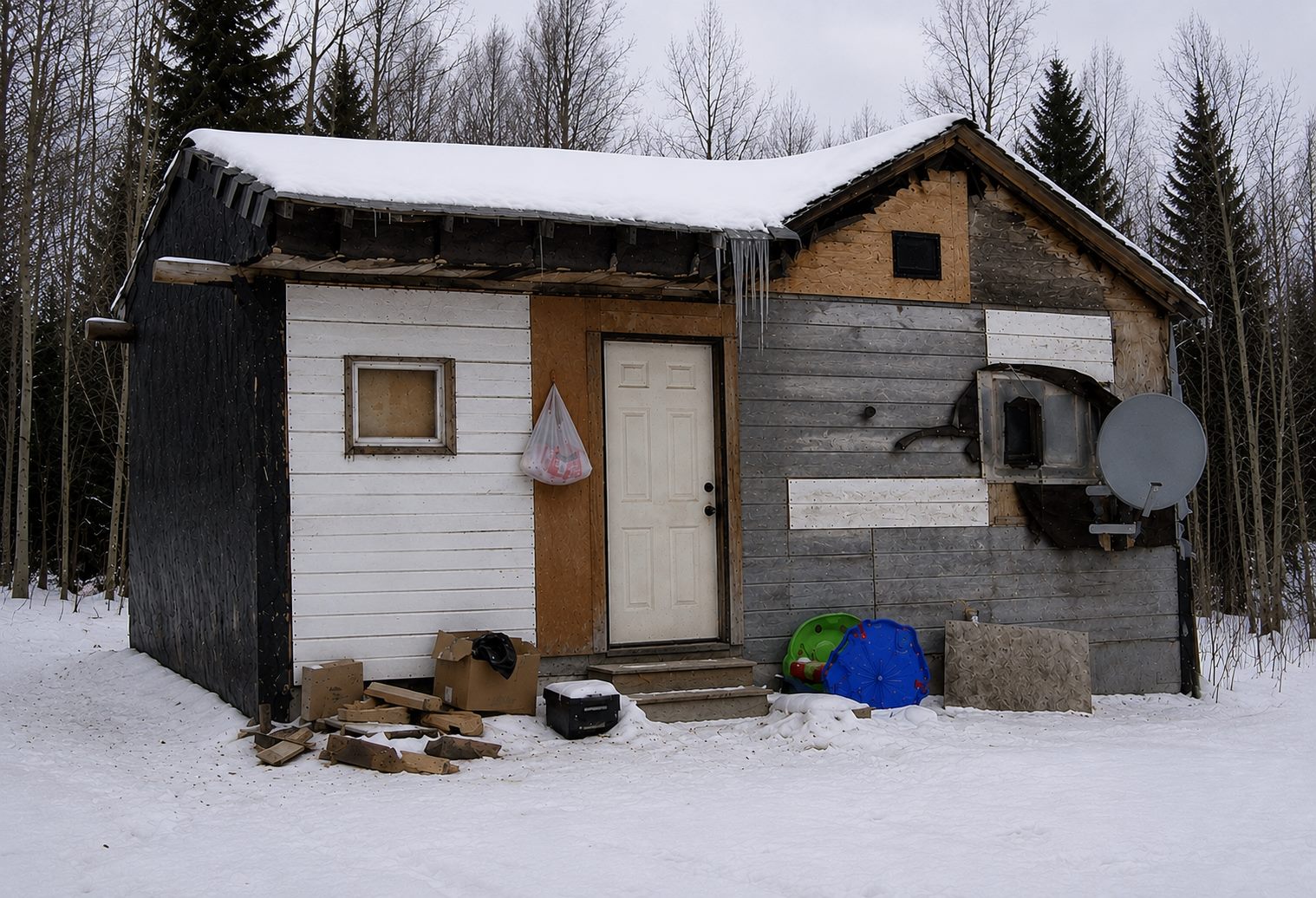
First Nations people are roughly 23 times more likely to experience homelessness than non-Indigenous people in Canada.
Source: Assembly of First Nations, National First Nations Homelessness Action Plan (2023).
Crowded = the home does not have enough bedrooms for the size and make-up of the household (National Occupancy Standard).
Source: Statistics Canada, 2021 Census (Housing conditions among First Nations people, Métis and Inuit).
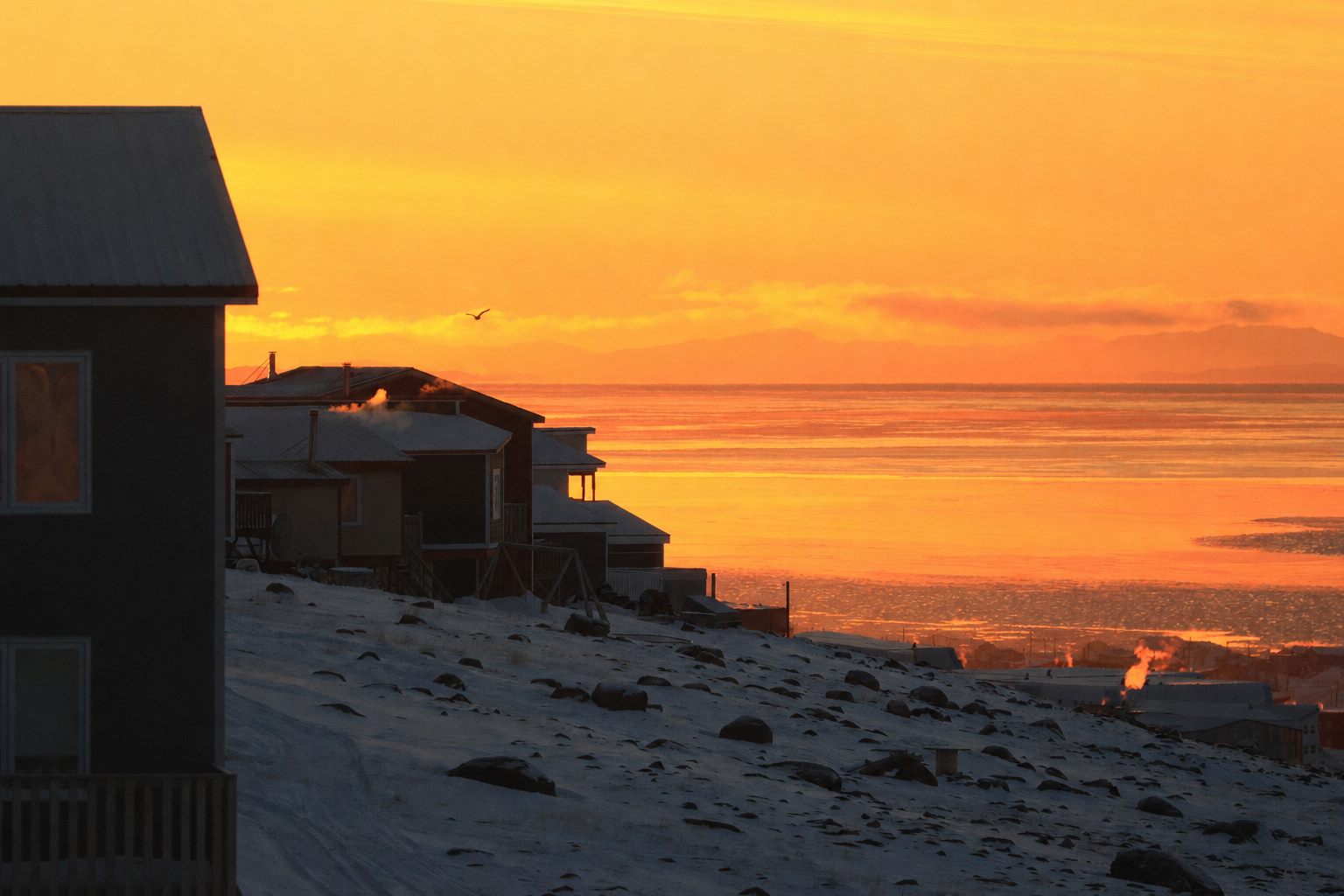
The gap isn't the result of any single failure. It's the product of hard conditions on the ground and financing that has never added up.
In many communities, families double and triple up in homes built for far fewer people. Overcrowding spreads illness, strains mental health, and is closely linked to children being taken into care.
Remote geography, short building seasons, and the high cost of shipping materials mean homes wear out faster than they can be replaced, and mould, thin insulation, and failing systems put health at risk every winter.
Capital for Indigenous housing is fragmented across programs, short-term, and rarely enough to finance a home from start to finish. Communities are left assembling funding piece by piece, year by year.
As construction and borrowing costs rise, the gap widens faster than existing programs can close it. Without a way to bring capital together at scale, the backlog compounds, and the wait grows longer.
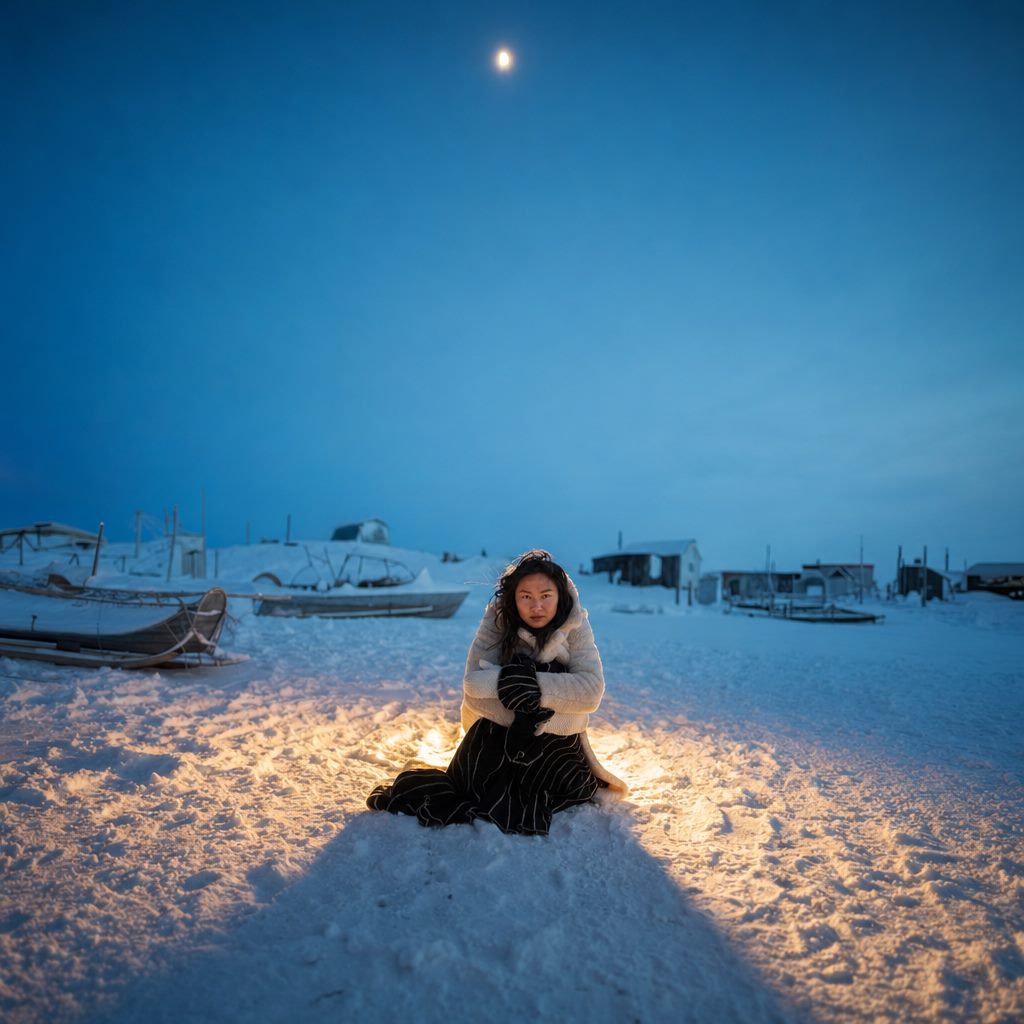
Official shelter statistics dramatically understate the problem. Hidden homelessness (couch-surfing, unsafe arrangements, overcrowded homes shared out of necessity) rarely appears in any count.
Nearly 3 in 10 First Nations people off-reserve experience hidden homelessness, far above the non-Indigenous rate.
Source: Statistics Canada, 2018 Canadian Housing Survey.
First Nations people living on reserve are ten times more likely to die in a house fire than other people in Canada, and no national fire code applies on reserves.
Source: Statistics Canada, Fire-related deaths among Indigenous people, 2011–2020 (2024).
More than 10,000 on-reserve homes across Canada lack indoor plumbing, a basic standard met almost everywhere else in the country.
Source: UN Special Rapporteur on the right to adequate housing, 2019.
Capital, technical expertise, and community leadership, brought together, can turn these numbers into homes. Partner with us to close the gap in a generation, not leave it to the next one.